
 In 2025, marketing automation has become a cornerstone of SME growth, moving far beyond its earlier role as a supplementary tool.
Customers now expect timely, personalised experiences across email, social media, and the web; and small businesses can’t keep up with these demands through manual marketing alone.
This is precisely where leveraging the right marketing automation tools transforms your strategy, enabling SMEs to scale campaigns, save time, and deliver smarter engagement without needing a large team.
This article will explain what marketing automation tools are, why they matter for SMEs in 2025, and how to select the right software. We’ll also compare the best marketing automation tools by category and share practical tips for successful adoption.
To build a solid foundation, let’s first define what a marketing automation tool actually is and how it works in practice.
What is a Marketing Automation Tool?
A marketing automation tool is software that automates repetitive marketing tasks, such as sending targeted emails, segmenting customers, posting to social media, and tracking campaign performance.
Instead of manually handling each action, the system executes workflows in the background, triggered by customer behaviour or preset rules. This allows small teams to manage complex, multi-step campaigns with precision and consistency.
For Example:
An automated welcome email series can greet new subscribers, share personalised product recommendations, and nurture them toward their first purchase; all without daily manual intervention.
This not only frees up valuable time but also builds stronger, more responsive customer relationships from the outset.
Now that we understand the core mechanism, let’s explore why these tools are no longer optional but essential for SMEs competing in the 2025 marketplace.
Why SMEs Need Marketing Automation in 2025
Competition is fiercer than ever. In 2025, SMEs are squeezed by agile startups and large corporations with vast digital resources.
To compete, you must meet the demand for personalised, timely, multi-channel engagement, but you can’t do it by increasing headcount. This is a core challenge that modern marketing automation software solves.
Here’s a breakdown of the tangible benefits that make SME marketing automation a critical investment this year:
1. Drive More Conversions and Improve Lead Quality
Marketing automation doesn’t just save time; it systematically drives more valuable leads into your sales funnel.
- 77% of companies using automation report higher conversion rates.
- Businesses that adopt automation see an average of 53% more conversions from initial lead to a Marketing Qualified Lead (MQL) compared to those relying on manual processes.
- Automated workflows, such as behaviour-triggered emails, often convert up to 3x more leads than traditional, generic campaigns.
For SMEs: This means a more efficient sales funnel, higher-quality leads for your sales team, and significantly fewer missed opportunities.
2. Achieve Stronger ROI and Revenue Growth
The financial impact of automation is clear and direct, stretching your marketing budget further.
- On average, companies generate $5.44 USD (approximately $ 7.34 SGD) for every $1 USD ($1.35 SGD) invested in marketing automation.
- About 76% of businesses achieve a positive ROI within the first year of adoption.
- SMEs also report a 10–12% reduction in marketing overhead due to massive efficiency gains.
(Source: Amra & Elma, 2025)
For SMEs: Automation is not a cost; it’s a growth accelerator that delivers measurable returns and improves your bottom line.
3. Reclaim Time and Boost Team Productivity
For small teams, time is the most precious resource. Automation gives it back to you:
- Automating lead nurturing can reduce time spent on it by up to 50%.
- Integrating automation with your CRM can boost sales productivity by 14-15%.
- This frees your marketers to focus on high-value work like strategy, content creation, and genuine customer engagement.
For SMEs: Your team can stop being reactive administrators and start acting as proactive growth drivers.
4. Deliver Personalisation at Scale
In 2025, personalisation is the price of entry. Automation makes it achievable for businesses of any size.
- Automated segmentation ensures every message is relevant and timely.
- AI-powered features like predictive lead scoring and dynamic content recommendations anticipate customer needs.
- This level of tailored experience builds fierce customer loyalty and helps you stand out.
For SMEs: You can now compete with the “big guys” by making every customer feel uniquely valued, automatically.
5. Enable Smarter, Scalable Growth
Automation is the engine that allows your business to grow without proportional growing pains.
- Campaigns run consistently and reliably, 24/7, without being limited by your team’s capacity.
- Seamless CRM integration aligns marketing and sales, ensuring no lead falls through the cracks.
- With a lower cost-per-lead and improved customer retention, every marketing dollar works hard.
For SMEs: You build a marketing infrastructure that scales with your ambitions, supporting sustainable long-term growth.
Understanding these benefits is the first step; the next is seeing what features deliver them. Let’s break down the core capabilities of modern marketing automation platforms.
Core Features of Modern Marketing Automation Tools
Today’s marketing automation software goes far beyond just sending bulk emails. The best platforms in 2025 offer a wide range of features that help SMEs connect with customers more effectively, save time, and make smarter decisions.
Here are the seven core capabilities you should prioritise in a 2025-ready platform:
1. Email Automation Tools
Go beyond one-off blasts to automated, behaviour-driven conversations.
- Automate essential sequences, such as welcome sequences, product recommendations, abandoned cart reminders, and post-purchase follow-ups.
- Personalise campaigns based on customer behaviour, purchase history, or preferences.
Example: An SME retailer can automatically send a discount code to a customer who abandons their shopping cart, increasing the chance of recovering that sale.
2. CRM Integration Tools
Break down the silos between marketing and sales to create a unified growth team.
- Sync customer interactions and lead data seamlessly between your marketing platform and sales CRM.
- Provide a single view of each customer, including contact history, preferences, and interactions.
Example: A small B2B company can automatically push qualified leads from its email campaigns into the sales team’s CRM, so follow-ups happen faster and with better context.
3. Multi-Channel Campaign Management
Meet your customers where they are with a consistent voice, from a single dashboard.
- Coordinate campaigns across email, SMS, social media, and push notifications.
- Maintain consistent messaging across different channels without juggling multiple logins and tools.
Example: A small local café launches a new loyalty program by announcing it via email, sending a sign-up link via SMS to regular customers, and promoting it on social media, all scheduled and managed in one place.
4. Lead Scoring and Segmentation
Focus your energy on the opportunities that matter most.
- Automatically rank leads based on their engagement (e.g., clicks, content downloads, or website visits) to identify who is sales-ready.
- Segment your audiences into precise groups for highly targeted and relevant communication.
Example: A start-up tech software company can identify its most engaged prospects (those who’ve attended a webinar and downloaded a demo guide) and send them targeted sales offers.
5. AI-Driven Features
Leverage artificial intelligence to predict customer needs and automate personalisation.
- Predictive lead scoring: Analyses past behaviour to highlight which leads are most likely to convert.
- Content recommendations: Automatically suggests products or articles tailored to each customer’s interests.
- Sentiment analysis: Platforms can analyse replies or social interactions to detect positive or negative sentiment.
Example: A small travel agency could use AI to recommend personalised holiday packages based on past booking behaviour and browsing history.
6. Analytics and Reporting
Move from guessing to knowing with clear, actionable insights.
- Access real-time dashboards tracking performance like open rates, click-throughs, conversions, and ROI.
- Identify high-performing campaigns and uncover areas for improvement to optimise your strategy.
Example: A small e-commerce brand can track which product recommendations generate the highest click-through rates, then refine its campaigns accordingly.
7. Workflow Automation & Triggers
Automate your entire marketing process with visual, “if-this-then-that” logic.
- Build sophisticated automation sequences triggered by specific customer actions or data changes (e.g., if a lead downloads a guide, then send them a related case study).
- Reduce manual tasks by automating repetitive follow-ups, reminders, and customer onboarding.
- Example: A professional services SME can automatically send appointment reminders and follow-up surveys after client meetings.
Together, these features give SMEs the ability to run smarter, more efficient, and more personalised marketing campaigns while freeing teams from repetitive tasks.
With a clear understanding of these essential features, the next step is to see them in action.
What Are the Best Marketing Automation Tools for SMEs in Singapore?
The “best” tool is the one that aligns with your goals, whether you’re a startup, an e-commerce store, or a scaling B2B company.
To simplify your search, we’ve categorised the top marketing automation tools for 2025, highlighting their ideal user, key strengths, and pricing to help you make an informed decision.
All-in-One Suites
(For SMEs seeking a unified platform for CRM, marketing, and sales)
1. HubSpot Marketing Hub
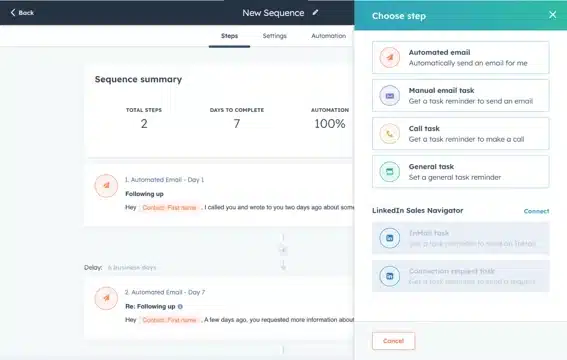 Example of Email Sequence via HubSpot Marketing Hub
A leader in inbound marketing, HubSpot offers a powerful, integrated ecosystem.
- Pricing*: Starter from SGD 27/month | Professional from SGD 1,820/month | Enterprise from SGD 6,580/month
- Ideal For: Businesses wanting an all-in-one solution to manage their entire customer journey.
- Key Features: Email marketing, landing pages, workflow automation, advanced analytics, and seamless CRM.
- Pros: Incredibly user-friendly, scalable, and offers robust customer support.
- Cons: Can become expensive quickly; advanced features have a learning curve.
- Free Trial: Yes.
2. ActiveCampaign
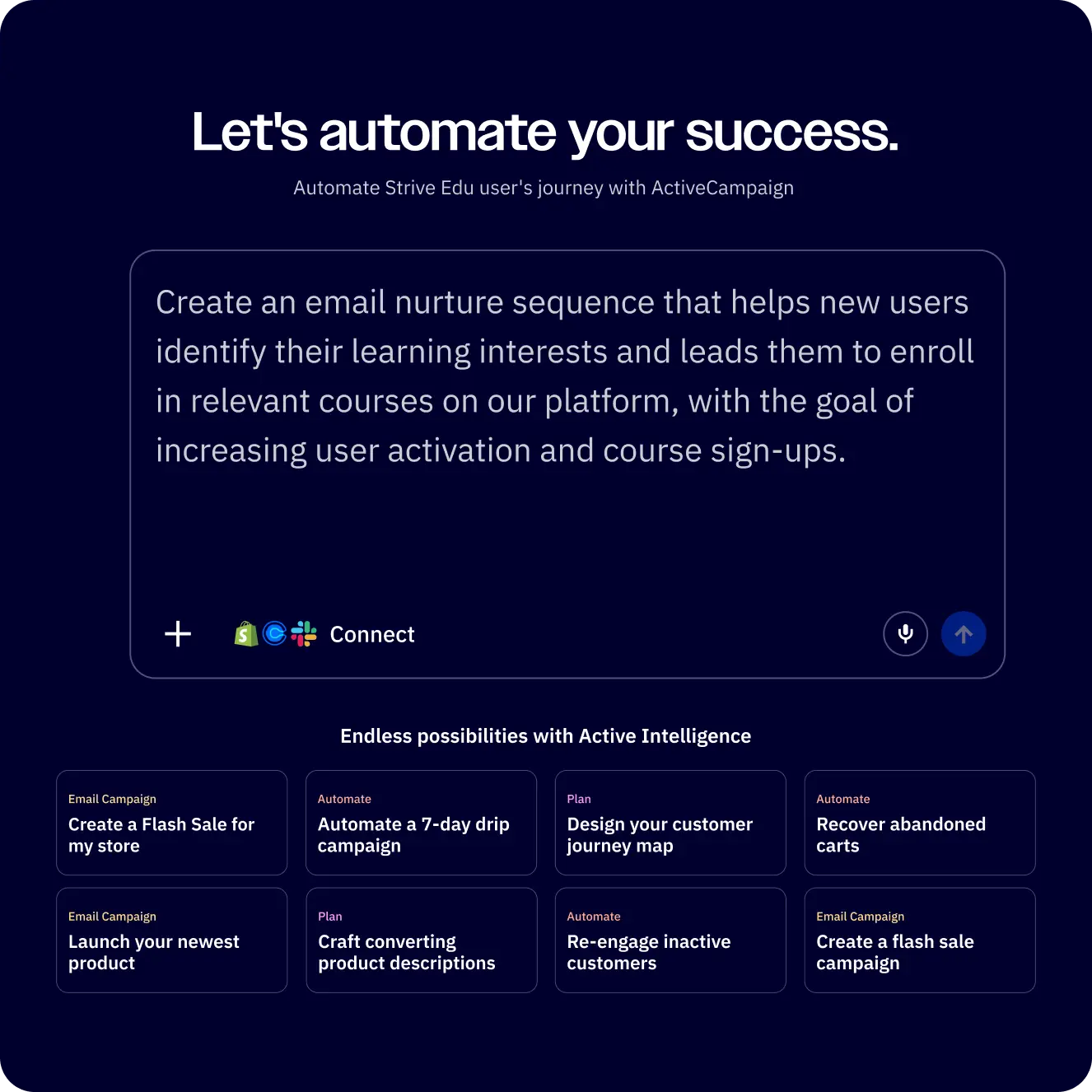 Automation Features via ActiveCampaign
Renowned for its powerful automation engine, which combines marketing, sales, and service.
- Pricing*: Starts at USD 15/month for 1,000 contacts (around SGD 30) | Plus from SGD 68/month | Pro from SGD 109/month | Enterprise from USD 145/month (approximately SGD 198)
- Ideal For: SMEs that prioritise sophisticated, multi-channel automation over a flashy interface.
- Key Features: Advanced email automation, CRM, SMS marketing, and machine-learning-based predictions.
- Pros: Deep automation capabilities, great for personalisation, strong value for the features.
- Cons: The interface can be complex for absolute beginners.
- Free Trial: Yes.
3. Brevo (formerly Sendinblue)
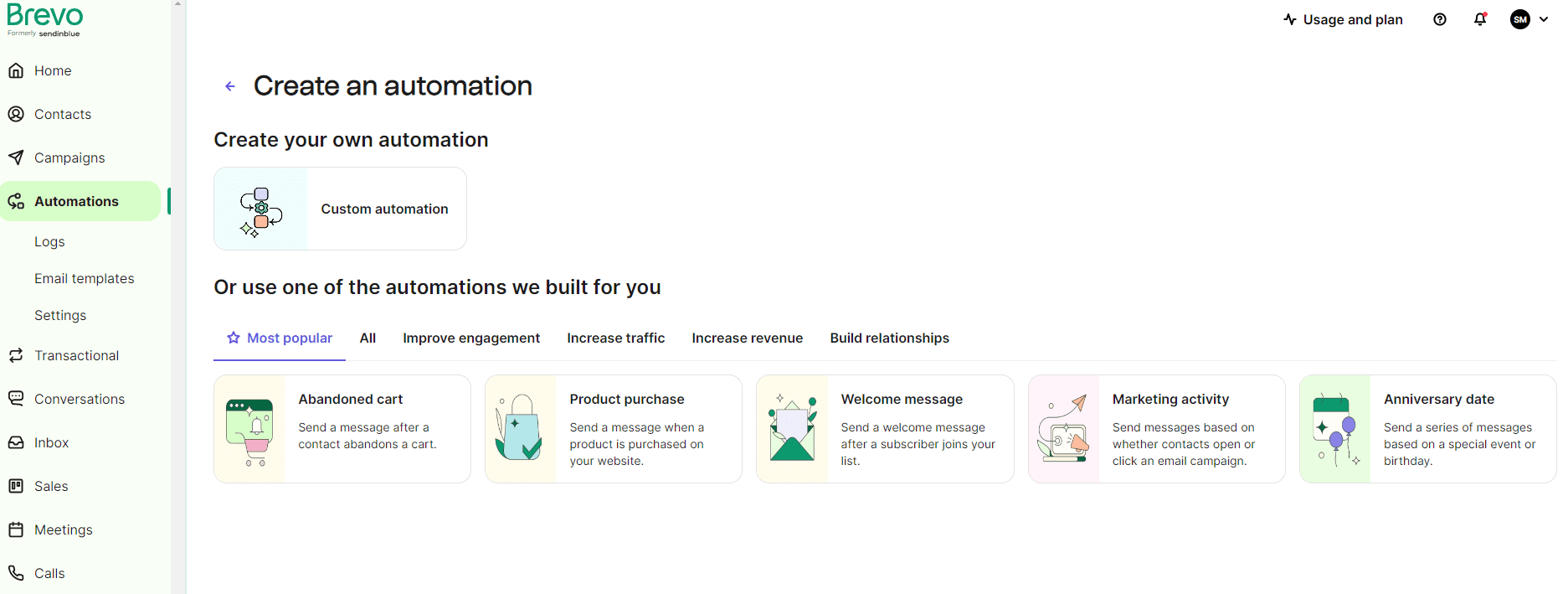 Example of Automation Dashboard via Brevo
A budget-friendly and straightforward all-in-one platform, particularly strong on communications.
- Pricing (Approx.): Free tier (300 emails/day) | Paid plans from ~SGD 34/mo.
- Ideal For: Bootstrapped startups and SMEs needing a solid foundation for email and SMS marketing.
- Key Features: Email and SMS campaigns, transactional emails, basic automation, and live chat.
- Pros: Extremely cost-effective, easy to set up, and offers great deliverability.
- Cons: Automation and advanced features are less robust than competitors like HubSpot.
- Free Trial: Available (free tier).
E-Commerce-Focused Tools
(Built for online stores to drive sales and retention)
1. Omnisend
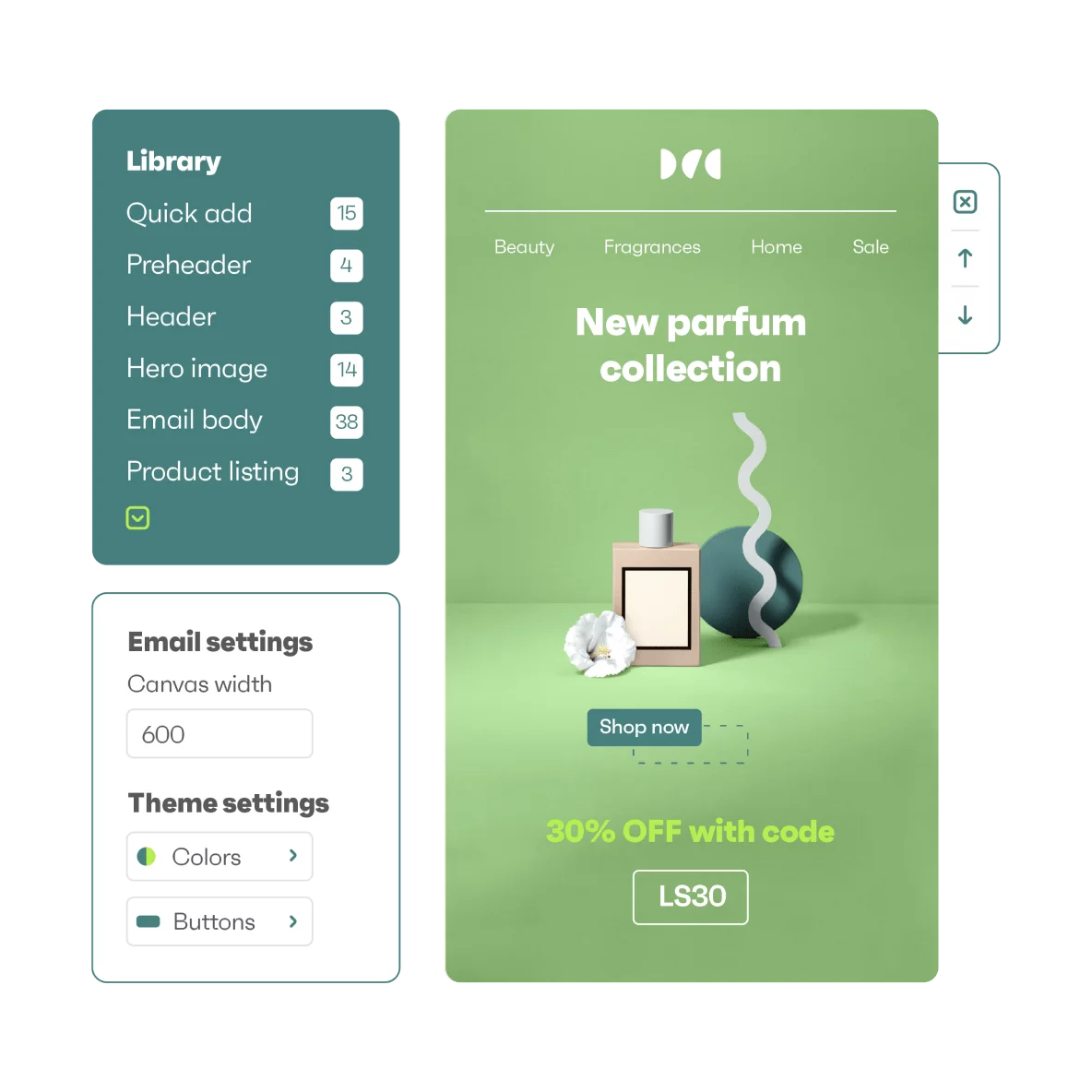 Example of Email Template via Omnisend
Designed specifically for e-commerce, it excels at converting browsing into buying.
- Pricing* (Approx.): Standard from SGD 22/month | Pro from SGD 81/month.
- Ideal For: Online retailers using platforms like Shopify and WooCommerce.
- Key Features: Pre-built e-commerce workflows, email/SMS/push notifications, and cart abandonment streams.
- Pros: Tailored for online sales, easy integration with major e-commerce platforms.
- Cons: Its strengths are primarily within e-commerce; less versatile for other business models.
- Free Trial: Yes.
Small Business Favourites
(Beginner-friendly and affordable for micro-SMEs)
If you’re just starting out, these tools are simple and affordable.
1. Mailchimp
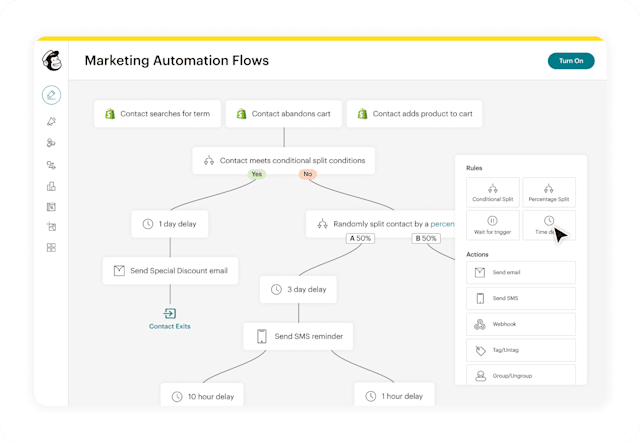 Marketing Automation Flows via MailChimp
An iconic and intuitive platform that’s often the first step into marketing automation.
- Pricing* (Approx.): Free tier (500 contacts) | Essentials from SGD 18/month | Standard from SGD 27/month.
- Ideal For: Small businesses, creatives, and anyone new to automation who values ease of use.
- Key Features: Email campaigns, landing pages, basic automation, and a vast template library.
- Pros: Very easy to use, strong brand recognition, extensive integrations.
- Cons: Becomes expensive as your list grows; automation features are basic on lower tiers.
- Free Trial: Yes.
2. Zoho Campaigns
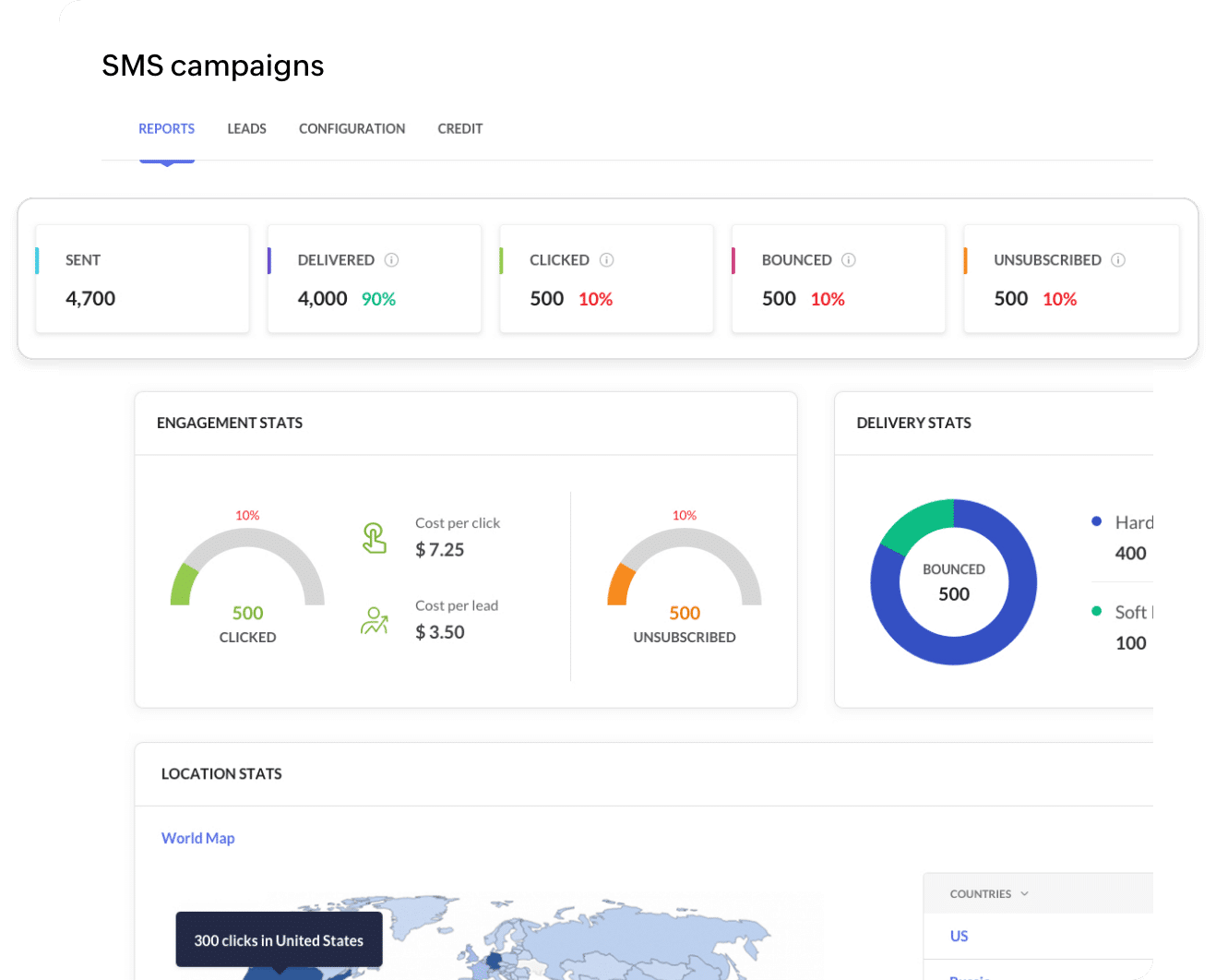 SMS Campaign via Zoho Campaigns Automation
A powerful and affordable option, especially if you’re already in the Zoho ecosystem.
- Pricing* (Approx.): Free tier (2,000 subscribers) | Paid plans from SGD 4/mo.
- Ideal For: SMEs committed to the Zoho suite of business tools.
- Key Features: Email marketing, automation, A/B testing, and deep Zoho CRM integration.
- Pros: Unbeatable price, seamless CRM integration, user-friendly.
- Cons: Less powerful as a standalone tool compared to category leaders.
- Free Trial: Yes.
3. Constant Contact
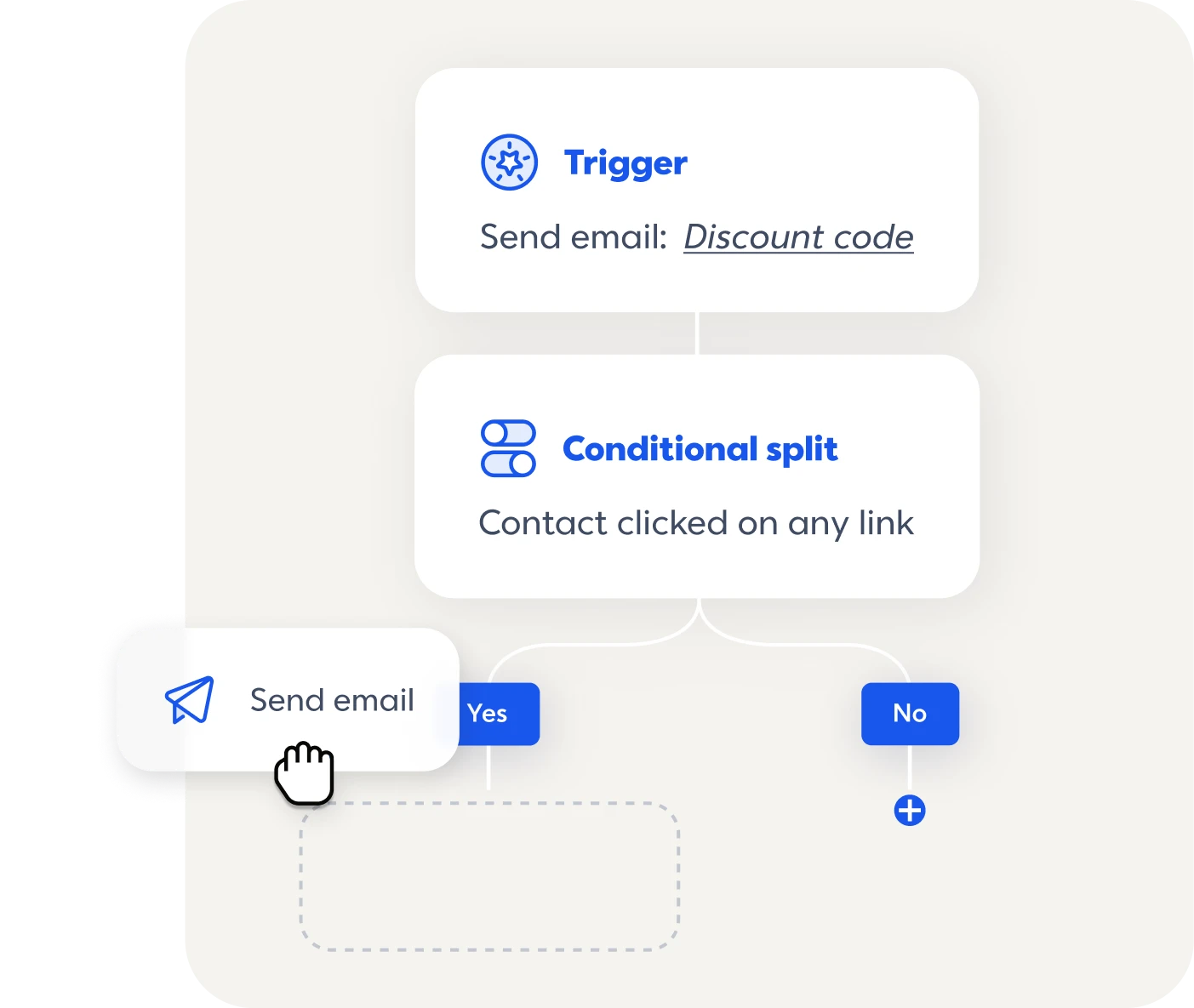 Example of Automation Path via Constant Contact
A trusted name known for its simplicity and excellent customer support.
- Pricing* (Approx.): Paid plans from SGD 17/month.
- Ideal For: Local businesses, non-profits, and teams that run events or promotions.
- Key Features: Email and SMS marketing, event management tools, and surveys.
- Pros: Extremely beginner-friendly with outstanding support resources.
- Cons: Lacks the deep automation and advanced segmentation of other platforms.
- Free Trial: Yes.
Emerging & Niche Platforms
(for SMEs experimenting with AI and data)
1. MoEngage
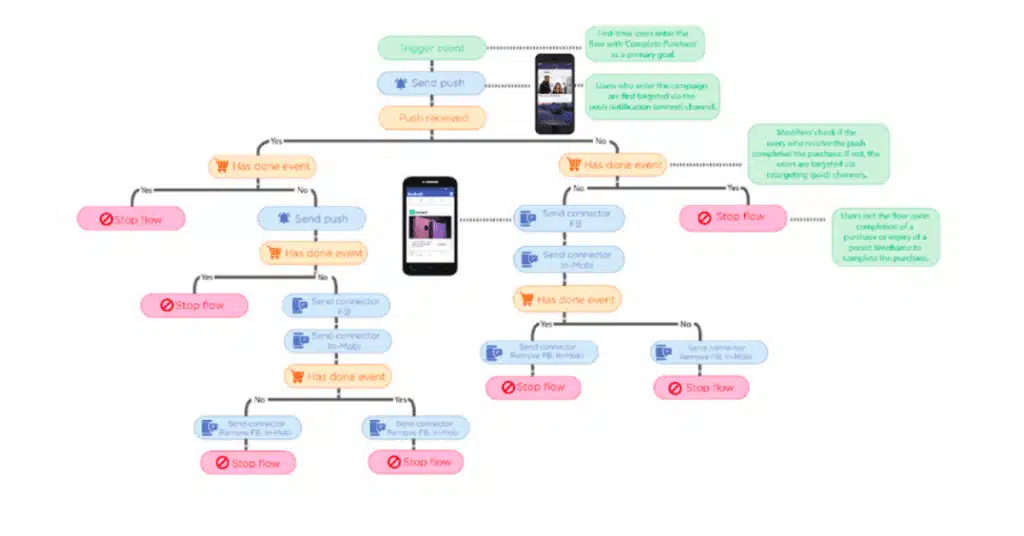 Example of Marketing Automation Workflow via MoEngage
An AI-powered, customer engagement platform for mobile-first businesses.
- Ideal For: Mobile-first SMEs and app-driven businesses.
- Starting Price: Custom (quote-based).
- Highlights: AI-driven customer journeys, push notifications, omnichannel engagement.
- Pros: Strong AI personalisation, mobile-first focus.
- Cons: Overkill for very small SMEs.
- Free Trial: On request.
2. Supermetrics
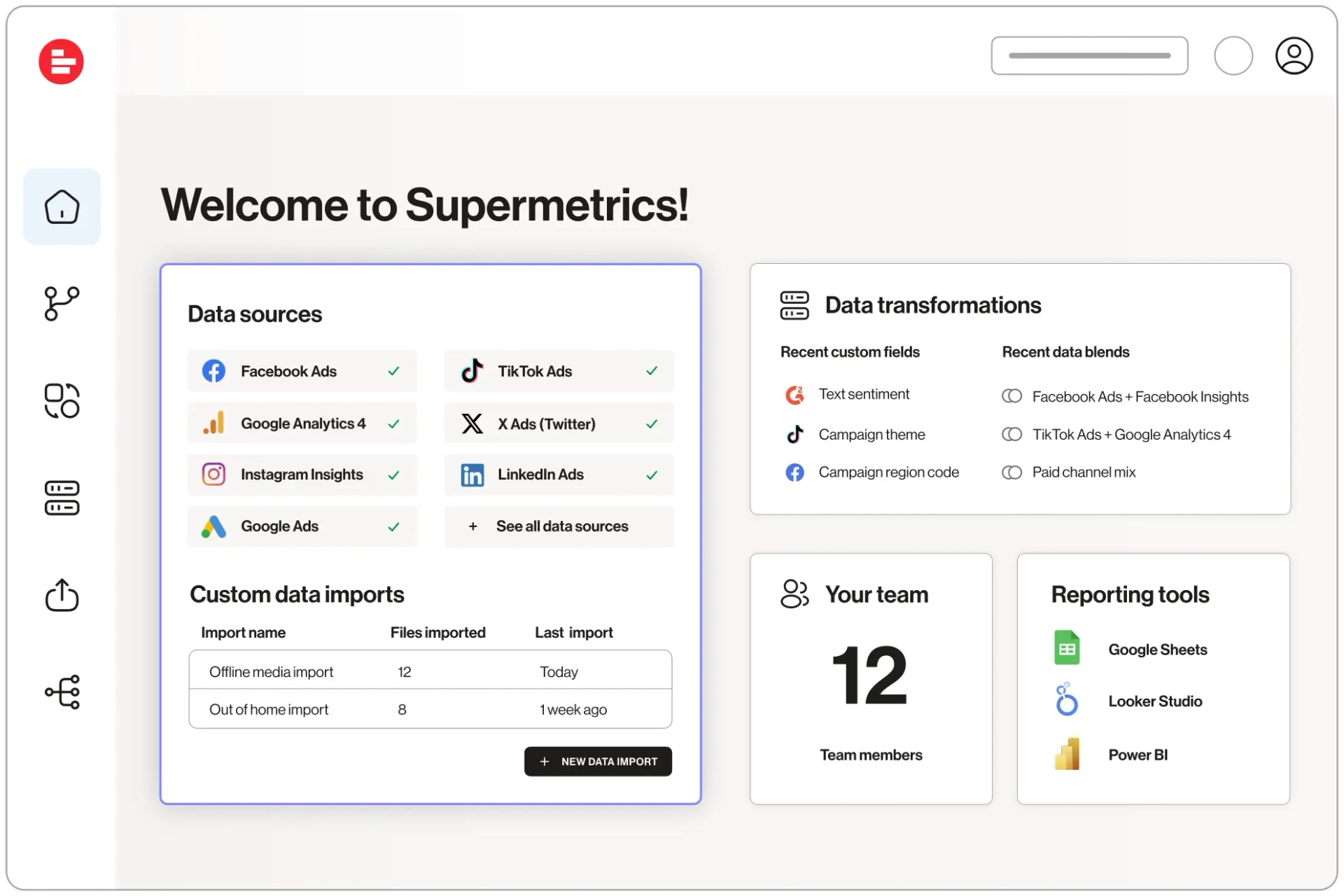 Supermetrics Dashboard
The leader in marketing data aggregation, not a standalone automation tool.
- Ideal For: SMEs that already use multiple marketing tools and need advanced reporting.
- Starting Price (SGD): $27/month (USD 19)
- Highlights: Pulls marketing data into Google Sheets, Excel, or BI tools.
- Pros: Great for SMEs serious about data-driven decisions.
- Cons: Not a standalone automation tool, more of an add-on.
- Free Trial: Yes.
*Note: All prices listed are estimates and may change. For precise pricing, visit their official websites.
The right choice depends entirely on your business context. With so many strong options, how do you make the final decision?
Before we dive into a detailed, step-by-step framework, here are four immediate tips to narrow down your shortlist:
Assess Your Needs: Honestly determine the specific features you require right now, such as email marketing, CRM integration, or multi-channel automation. Avoid paying for advanced features you won’t use for another year.
- Consider Scalability: Choose a platform that can grow with your business. Will it handle 5x the contacts? Can you add new channels like SMS as you expand?
- Budget Wisely: Look beyond the entry-level price. Evaluate what’s included at each pricing tier and model the cost as your contact list grows to avoid surprise price jumps.
- Utilise Free Trials: The best way to evaluate a platform is to use it. Test the user interface and build a simple automation workflow before committing.
These tips are the foundation of a smart selection process. Let’s dive into the next section.
How to Choose the Right Marketing Automation Tool for Your SME
Selecting the right platform is a strategic decision that impacts your efficiency, ROI, and capacity for growth.
With the options clear, this step-by-step framework will help you move from a list of potential tools to the one that is the perfect fit for your business.
Your 8-Step Framework for Selecting the Right Platform
1. Assess Your Business Needs
Before looking into any more features, define what you need to achieve.
- Action: Identify the 3–5 core features that are non-negotiable. Do you need advanced email automation, deep CRM integration, or multi-channel campaign management?
- Action: Map your current marketing processes. Where are the biggest time drains? Which repetitive tasks (like lead nurturing or welcome sequences) are prime for automation?
- Why it matters: This prevents you from being swayed by flashy features you don’t need and keeps the focus on solving your actual business problems.
2. Consider Scalability
Your chosen platform should be a partner in your growth, not a barrier to it.
- Action: Ask: “Can this tool handle 5× my current contact list? Can I easily add new channels like SMS or social media?”
- Action: Look for transparent pricing and feature roadmaps for higher tiers to avoid a painful and costly migration later.
- Why it matters: A scalable platform grows with you, protecting your investment and ensuring your marketing can keep pace with your ambitions.
3. Budget Wisely
The sticker price is only the beginning. Understand the full financial picture.
- Action: Scrutinise pricing tiers. How do costs change as your contact list grows? What features are locked behind the most expensive plans?
- Action: Budget for hidden costs such as mandatory add-ons, premium integration fees, or the time required for team training.
Why it matters: Smart budgeting ensures you get the necessary power without financial strain, maximising your return on investment from day one.
4. Check Integration Compatibility
Your new tool must work seamlessly with your existing tech stack.
- Action: Create a list of your essential tools (e.g., your CRM, website platform, customer service software) and verify native integrations.
- Action: Prioritise platforms that offer deep, two-way data syncs over those that require complex, unreliable workarounds.
- Why it matters: Smooth integration creates a single source of truth for customer data, eliminates manual work, and enables true personalisation.
5. Evaluate Ease of Use
The most powerful tool is useless if your team finds it intimidating.
- Action: During free trials, don’t just click around, try to build a simple automation workflow from start to finish.
- Action: Involve the team members who will use the platform daily. Their feedback on the interface and logic is invaluable.
- Why it matters: An intuitive platform speeds up adoption, reduces reliance on external consultants, and empowers your team to execute campaigns quickly.
6. Leverage Free Trials
A free trial is your most powerful research tool. Use it strategically.
- Action: Go beyond a superficial review. Import a segment of your list, set up a real automation sequence, and generate a sample report.
- Action: Evaluate the entire experience: from initial setup and contact import to the clarity of analytics.
- Why it matters: A hands-on test reveals the true user experience, potential performance issues, and whether the platform’s workflow aligns with your team’s thinking.
7. Evaluate Vendor Support & Resources
Strong support can make the difference between success and frustration.
- Action: Check the availability of support (e.g., live chat, phone, email) and read independent reviews about their responsiveness.
- Action: Explore their knowledge base, tutorial library, and community forums. Are the resources comprehensive and easy to understand?
- Why it matters: Excellent support accelerates onboarding and provides a safety net for when you encounter complex challenges.
8. Prioritise ROI & Analytics
Choose a platform that proves its own value.
- Action: Ensure the tool provides clear, actionable analytics that connect marketing efforts to leads and revenue.
- Action: Look for built-in capabilities for A/B testing, lead scoring, and revenue attribution reporting.
- Why it matters: Robust analytics transform your marketing from a cost centre into a measurable growth driver, allowing for continuous optimisation and justifying your investment.
Making Your Final Decision
Choosing the right tool is about matching features to your business needs, ensuring scalability, balancing cost and usability, and leveraging analytics to maximise ROI.
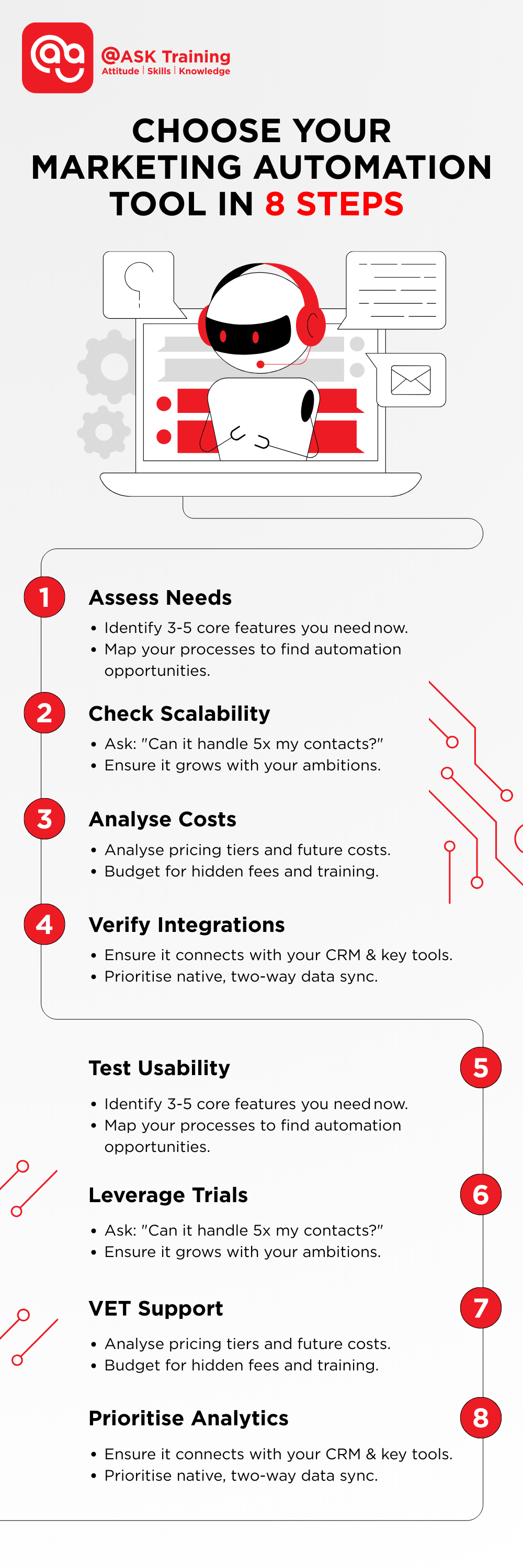 By following these steps, SMEs can confidently select a platform that drives efficiency, growth, and meaningful customer engagement.
Even with the perfect tool, implementation pitfalls can derail your success. Let’s review the most common mistakes SMEs make so you can avoid them.
Common Mistakes SMEs Make When Implementing Marketing Automation
While marketing automation can significantly boost efficiency and ROI, certain mistakes can limit its effectiveness. Here are the most common pitfalls and how to avoid them:
1. Choosing Features They Don’t Need
- Mistake: Subscribing to platforms packed with advanced features that aren’t relevant to the business.
- Impact: Leads to confusion, wasted budget, and underutilised tools.
- Tip: Focus on the core functionalities you actually need, like email automation, CRM integration, or basic analytics, before considering advanced AI features.
2. Misalignment With Marketing Strategy
- Mistake: Using automation tools without a clear plan or strategy.
- Impact: Automated campaigns may be irrelevant, untimely, or inconsistent with your brand voice.
- Tip: Define clear objectives first, such as lead nurturing, onboarding, or re-engagement, and then configure workflows to align with those goals.
3. Ignoring Data Quality
- Mistake: Importing contacts with incomplete or outdated information.
- Impact: Leads to poor segmentation, lower engagement, and inaccurate reporting.
- Tip: Regularly clean your database, verify contact details, and segment your audience based on up-to-date behaviours or preferences.
4. Underestimating the Need for Team Training
- Mistake: Assuming the platform is “plug-and-play” and skipping proper onboarding.
- Impact: Teams may misuse workflows, fail to personalise messages, or overlook reporting insights.
- Tip: Invest in training sessions and leverage vendor resources, tutorials, and support forums to ensure your team can maximise the tool’s potential.
5. Over-Automating Without Testing
- Mistake: Setting up multiple automated campaigns simultaneously without testing workflows.
- Impact: Errors can go unnoticed, resulting in incorrect messages, broken links, or emails sent to the wrong segments.
- Tip: Start with one or two core automation workflows, test thoroughly, monitor results, and gradually expand.
6. Neglecting Analytics and Continuous Optimisation
- Mistake: Implementing automation and then “setting it and forgetting it.”
- Impact: Missed opportunities to improve conversion rates, engagement, or ROI.
- Tip: Regularly review campaign analytics, A/B test subject lines, messaging, and timing, and adjust workflows based on performance data.
7. Not Personalising Communications
- Mistake: Sending generic messages instead of tailoring content based on customer behaviour, preferences, or lifecycle stage.
- Impact: Lower engagement, higher unsubscribes, and weaker lead nurturing.
- Tip: Use segmentation and AI personalisation features to send relevant content at the right time.
Avoiding these common mistakes is what separates SMEs that simply use automation from those that truly leverage it for growth. The key is to remember that the tool serves your strategy, not the other way around.
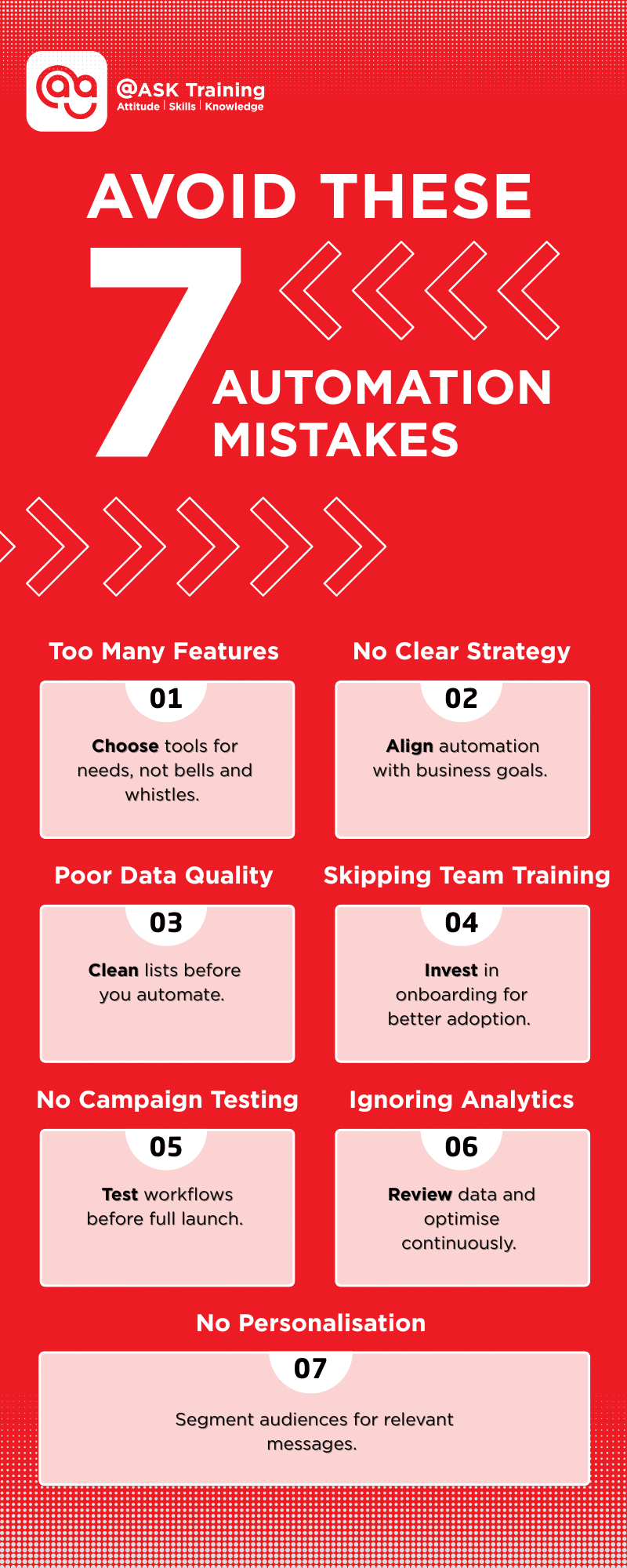 By implementing thoughtfully and optimising continuously, you turn your marketing automation software into a reliable engine for sustainable growth.
Now that you know what to avoid, let’s focus on how to get it right. The following implementation tips are designed to help you maximise your ROI from day one.
Implementation Tips for Maximising ROI
Selecting the right tool is only half the battle; the real value is unlocked through strategic execution.
For SMEs, a thoughtful, phased approach to implementation is the key to transforming your marketing automation software from a cost into a significant growth driver.
Here’s how to ensure you maximise your return on investment:
1. Start Small and Scale Gradually
Trying to automate everything at once is a recipe for overwhelm. Begin with a focused victory.
- Tip: Begin with one or two core automation workflows, such as a welcome email series or cart abandonment campaign.
- Example: An online retailer can start by sending an automated welcome email to new subscribers, then expand to a drip campaign offering discounts for first-time purchases.
- Why: Starting small reduces the risk of errors and allows your team to learn the platform before rolling out complex campaigns.
2. Make Full Use of AI and Personalisation Features
Your platform’s AI features are force multipliers for a small team. Don’t let them sit idle.
- Tip: Leverage AI tools for predictive lead scoring, personalised content, and optimised send times.
- Example: A SaaS business can use AI to automatically send personalised onboarding emails based on the feature a user interacts with first.
- Why: Personalisation increases engagement and conversion rates, helping you nurture leads more efficiently.
3. Align Automation with the Customer Journey
Map your automation to the path your customers actually take, from stranger to advocate.
- Tip: Map automated workflows to different stages of your customer lifecycle.
- Example:
- Awareness: Automated welcome emails introducing your brand.
- Consideration: Drip campaigns offering educational content or case studies.
- Decision: Time-limited offers or demo scheduling reminders.
- Why: Targeted messaging ensures prospects receive the right content at the right stage, improving conversions.
4. Monitor, Analyse, and Optimise Campaigns
An automated campaign is not a “set-and-forget” asset; it’s a perpetual work-in-progress.
- Tip: Regularly review analytics such as open rates, click-through rates, conversions, and ROI.
- Example: If an email series has a low open rate, test different subject lines or sending times (A/B testing).
- Why: Continuous optimisation ensures campaigns are effective and resources are not wasted.
5. Integrate with Your Existing Systems
Break down data silos to create a unified view of your customer.
- Tip: Ensure your automation tool works seamlessly with CRM, e-commerce platforms, analytics, or customer support systems.
- Example: When a lead downloads a key piece of content, the automation tool updates their score in the CRM, triggering an instant task for a sales rep to follow up while the lead is hottest.
- Why: Integration improves data accuracy, eliminates manual tasks, and provides a holistic view of your customers.
6. Keep the Human Touch Where Needed
The goal of automation is to handle routine tasks so your team can focus on high-touch relationships.
- Tip: While automation saves time, certain interactions should remain personal or manual.
- Example: After a large wholesale order, an automated workflow doesn’t send another promo email. Instead, it triggers a task for the account manager to make a personal thank-you call.
- Why: Combining automation with human touch maintains trust and strengthens customer relationships.
7. Set Clear Goals and KPIs
If you can’t measure it, you can’t improve it. Define what success looks like from the start.
- Tip: Define what success looks like before launching automation. Track KPIs such as conversion rates, lead generation, email engagement, and revenue growth.
- Example: A small e-commerce business may aim for a 10% increase in email-driven sales over three months using automated campaigns.
- Why: Clear goals allow you to measure ROI and justify continued investment in automation.
Maximising ROI isn’t about using every feature at once. It’s about a disciplined, strategic approach: start with a focused pilot, leverage AI for efficiency, and relentlessly optimise based on data.
By doing so, you ensure your marketing automation tools become a cornerstone of your SME’s scalable growth. This disciplined approach to implementation is the final piece of the puzzle. Let’s bring all these insights together in our conclusion.
Wrapping Up
In 2025, marketing automation is no longer a luxury for large corporations; it is an essential engine for SME growth.
By automating repetitive tasks, you can reclaim invaluable time, deliver the personalised experiences modern customers expect, and compete effectively in a crowded marketplace.
The journey to success hinges on a strategic approach: selecting a tool that balances power with affordability, starting with focused workflows like welcome series or lead nurturing, and continuously optimising based on data.
Remember, the goal is not to automate for the sake of it, but to build a smarter, more responsive marketing machine that drives measurable business growth.
Your Next Step
The path to automated growth starts with a single step:
- Identify two platforms from our comparison that fit your profile and activate their free trials.
- Build one simple workflow, measure the results, and refine as you go.
The sooner you begin, the sooner you will transform your marketing from a manual effort into a scalable growth engine.
Ready to Build Your Digital Marketing Foundation?
Before diving into automation, ensure your team has the core skills to succeed. A powerful automation tool is only as effective as the strategy behind it.
For SMEs and marketing teams just starting their digital journey, building a strong foundation in data and analytics is crucial.
Consider strengthening your team’s expertise with @ASK Training’s range of Digital Marketing courses, such as SEO, Website Analytics, and Optimisation.
This foundational knowledge will empower you to make data-driven decisions, accurately track your automation ROI, and ultimately maximise the return on your marketing technology investments.
Get in touch with us and start your digital marketing journey today!
Related Courses
◆◆◆