
IT Infrastructure and Operations Course
Learn to Strategise and Execute in the Dynamic World of IT Infrastructure and Operations
Our Clients


Thank You For Downloading The Course Brochure
Have Any Questions?
Submit the form below and our program consultants will get back to you shortly.
Overview of Course
This course equips participants with the practical networking knowledge and hands-on skills required to build, operate, secure, and troubleshoot modern networks while preparing for the CompTIA Network+ (N10-009) examination. Participants explore network types, topologies, and the OSI model to build a strong conceptual foundation, then apply that knowledge to configure SOHO environments and validate connectivity using structured CompTIA troubleshooting methods and command-line tools.
The course covers Ethernet standards, copper and fiber media, connector types, and safe physical installation practices for rack-based deployments in server rooms and datacenters. Participants deploy networking devices, configure switching features, VLANs, routing (including dynamic routing principles), and IPv4/IPv6 addressing and subnetting, while testing and resolving host and network faults. Service configuration includes DHCP, DNS, NTP, and common application services, alongside high availability through redundancy and load balancing. Security is embedded throughout, addressing risk concepts, attacks, IAM, segmentation, ACLs, content filtering, wireless security, WAN/VPN access, and modern approaches such as automation, cloud, and Zero Trust. This exam-focused practice enhances readiness and confidence.
Learning Outcomes
By the end of this course, you should be able to:
- Explain common network types and characteristics, and compare the functions of each OSI model layer.
- Configure a basic SOHO network and apply CompTIA’s troubleshooting methodology to diagnose and resolve connectivity issues.
- Summarize Ethernet standards and differentiate copper vs. fiber-optic cabling and connector types.
- Plan rack-based physical installations for server rooms/datacenters and deploy and troubleshoot Ethernet cabling.
- Deploy networking devices and explain common network interfaces.
- Configure common Ethernet switching features and troubleshoot transceiver and switching issues.
- Explain IPv4 and IPv6 addressing schemes and IPv4 forwarding.
- Configure IP networks and subnets, test host IP configurations using appropriate tools, and troubleshoot IP networks and hosts.
- Compare and contrast core routing concepts, including dynamic routing principles.
- Install and troubleshoot routers, and explain tiered switching architecture and VLAN implementation.
- Compare and contrast transport protocols and use command-line tools to scan and validate network ports.
- Explain network addressing and name resolution services, and configure and troubleshoot DHCP and DNS.
- Explain the importance of time synchronization and the role of NTP, and describe common network services (web, file/print, database, email, and voice).
- Explain how high availability is provisioned using redundancy and load balancing.
- Explain the purpose of configuration and change management documentation, and use discovery/monitoring and event management tools to identify assets and maintain network availability.
- Use packet analysis and traffic metrics to troubleshoot network performance issues.
- Explain common security concepts, including how to distinguish risk, vulnerability, threat, and exploit.
- Summarize common attack types and their network impact, and explain the importance of audits and regulatory compliance.
- Explain identity and access management concepts and differentiate authentication and directory management protocols/standards.
- Implement defense-in-depth controls by enforcing device compliance and applying security rules (e.g., ACLs and content filtering) to manage network traffic.
- Explain the importance of network segmentation, including the use of trusted and untrusted zones.
- Describe the security implications of IoT/IIoT and explain the importance of physical security controls.
- Summarize key wireless standards and capabilities.
- Install, configure, and troubleshoot secure wireless networks.
- Summarize WAN provider and Internet access types for enterprise connectivity.
- Compare and contrast VPN topologies and protocols, and explain remote host access and management methods.
- Explain data center and storage network architectures and summarize core cloud concepts.
- Summarize how software, coding/automation, and Zero Trust principles are applied in modern network environments.
Prerequisites
To enroll in this IT Infrastructure and Operations course, you should possess the following:
- Completed the Advanced Hardware and Software Troubleshooting course and Advanced Network Administration awarded by @ASK Training
- Mature candidates (≥ 30 years old with 8 years’ work experience in an ICT-related field); OR
- Candidates with other qualifications will be considered on a case-by-case basis
Certification
Upon successful completion of the IT Infrastructure and Operations course assessment, participants who have attended at least 75% of the course will receive a Certificate of Attendance by @ASK Training.
Course Curriculum
Explaining Network Topologies
- Networking Overview
- OSI Model Concepts
- SOHO Networks
- Troubleshooting Methodology
Supporting Cabling and Physical Installations
- Ethernet
- Copper Cables and Connectors
- Wiring Implementation
- Fiber Optic Cables and Connectors
- Physical Installation Factors
- Cable Troubleshooting
Configuring Interfaces and Switches
- Network Interfaces
- Ethernet Switches
- Switch Port Configuration
- Switch Troubleshooting
Configuring Network Addressing
- Internet Protocol Basics
- IP Version 4 Addressing
- IP Version 4 Subnetting
- IP Troubleshooting Tools
- IP Version 6
- IP Troubleshooting
Configuring Routing and Advanced Switching
- Routing Technologies
- Dynamic Routing Technologies
- Network Address Translation
- Firewalls
- Enterprise Network Topologies
- Virtual LANs
- Routing and VLAN Troubleshooting
Implementing Network Services
- Transport and Application Layer Protocols
- Dynamic Host Configuration Protocol
- APIPA and SLAAC
- DHCP Relay and Troubleshooting
- Domain Name System
- DNS Troubleshooting
Explaining Application Services
- Application Security and Time Synchronization
- Web, File, Print, and Database Services
- Email and Voice Services
- Disaster Recovery and High Availability
Supporting Network Management
- Organizational Policies and Documentation
- Host Discovery and Monitoring
- Simple Network Management Protocol
- Event Management
- Packet Capture and Analysis
- Traffic Monitoring
Explaining Network Security Concepts
- Security Concepts
- Network Threats and Attacks
- Spoofing Attacks
- Rogue System Attacks
- Social Engineering
Applying Network Security Features
- Authentication
- Multi‑Region Design Patterns
- Case Study – Enterprise Global Resiliency
Supporting Network Security Design
- Zone-based Security
- Internet of Things
- Physical Security
Configuring Wireless Networks
- Configuring Wireless Networks
- Enterprise Wireless Network Design
- Wireless Security
- Wireless Troubleshooting
Comparing Remote Access Methods
- WAN and Internet Connectivity
- Virtual Private Networks
- Remote Management
- Switch Security
Summarizing Cloud Concepts
- Datacenter and Storage Networks
- Cloud Concepts
- Internet of Things
- Cloud Networking
- Modern Network Environments
This course is part of the Diploma in Infocomm Technology – Infrastructure and Operations and SkillsFuture Career Transition Programme (SCTP).
Fees and Subsidies
*Eligible for Singaporean Citizens, Permanent Residents, and Long-Term Visit Pass Plus Holders
Course Fee:
S$1,744.00 (inclusive of 9% GST)
Course Fee After Eligible SWDA Subsidies:
From S$203.20 (inclusive of 9% GST) after 90% SWDA Subsidies
| Learners | |
| Singaporean Citizens ≥ 40 years old | S$203.20 (after SWDA 90% Funding) SkillsFuture Credits can be used on top of existing subsidies |
| Singaporean Citizens, PRs or LTVP+ Holders ≥ 21 years old |
S$523.20 (after SWDA 70% Funding) For Singapore Citizens aged 21-31 Post Secondary Education Account Funds can be used. |
| Learners | SMEs | Non-SMEs |
| Singaporean Citizens ≥ 40 years old | S$203.20 (after SWDA 90% Funding) | S$203.20 (after SWDA 90% Funding) |
| Singaporean Citizens, PRs or LTVP+ Holders ≥ 21 years old | S$523.20 (after SWDA 70% Funding) |
Singaporean Citizens ≥ 40 years old
After SWDA 90% Funding
SkillsFuture Credits can be used on top of existing subsidies
After SWDA 90% Funding
After SWDA 90% Funding
Singaporean Citizens, PRs or LTVP+ Holders ≥ 21 years old
After SWDA 70% Funding
For Singapore Citizens learners aged ≥ 25 years old SkillsFuture Credits can be used on top of existing subsidies.
For Singapore Citizens aged 21-31 Post Secondary Education Account Funds can be used.
After SWDA 90% Funding
After SWDA 70% Funding
*This course is not eligible for Mid-career SkillsFuture Credits unless enrolled as part of the full SkillsFuture Career Transition Programme. Learn more about the full SCTP Diploma in Infocomm Technology - Infrastructure and Operations.
All prices are inclusive of 9% GST.
IT Infrastructure and Operations Course
Learn to Strategise and Execute in the Dynamic World of IT Infrastructure and Operations
Course Schedule
| Course Name | Duration | Month | Date | Venue | Remarks |
|---|---|---|---|---|---|
| DM1 IT Infrastructure and Operations TGS-2025060543 (Non-SCTP) TGS-2024046011 | 4 days (9:00am - 6:00pm) | October 2026 | 26-29 | International Plaza | Weekdays |
| November 2026 | 12,13,16,17 | International Plaza | Weekdays | ||
| December 2026 | 23,24,28,29 | International Plaza | Weekdays |
Related Courses
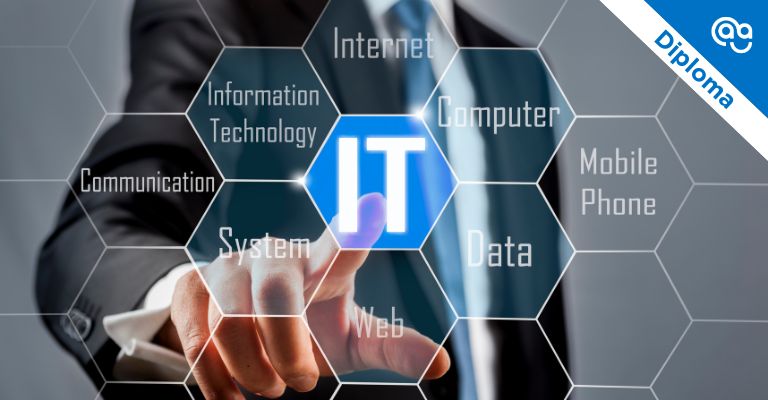
Diploma in Infocomm Technology (Infrastructure and Operations)
Master advanced IT Infrastructure skills and earn your diploma. Enhance your knowledge and skills in managing and optimising IT infrastructure in this Diploma in Infocomm Technology (Infrastructure and Operations). This Diploma programme will take your expertise to an even higher level…
Course Duration:
8 Modules (237 Hours)
View course details here
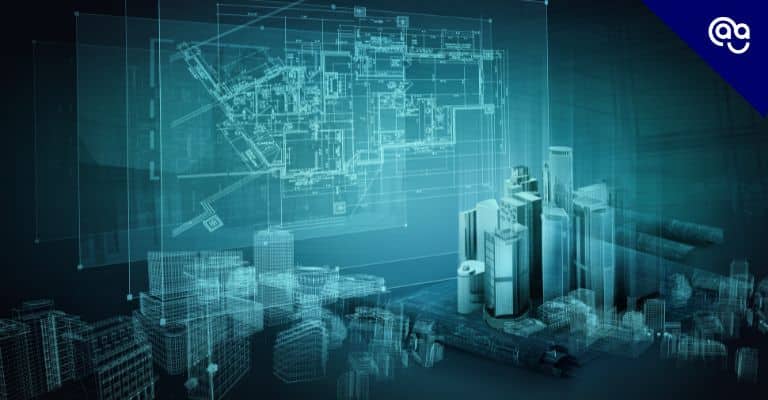
Enterprise Architecture and Design
Explore the TOGAF framework and its application in developing robust organisational architectures. This course covers architecture design techniques, governance processes, and the tools needed to build and manage effective enterprise architecture.
Course Duration:
5 Days (8.30am – 6.30pm)
View course details here
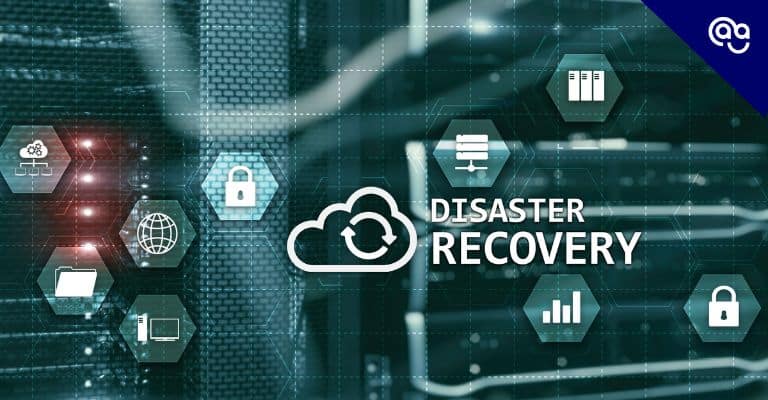
IT Disaster Recovery and Business Continuity
Develop critical skills in disaster recovery and business continuity planning. This course covers risk assessments, adaptable planning strategies, and the application of international standards to ensure organisational resilience in the face of disasters.
Course Duration:
2 Days (8.30am – 6.30pm)
View course details here
Have some questions? Contact us.
SkillsFuture Subsidy